
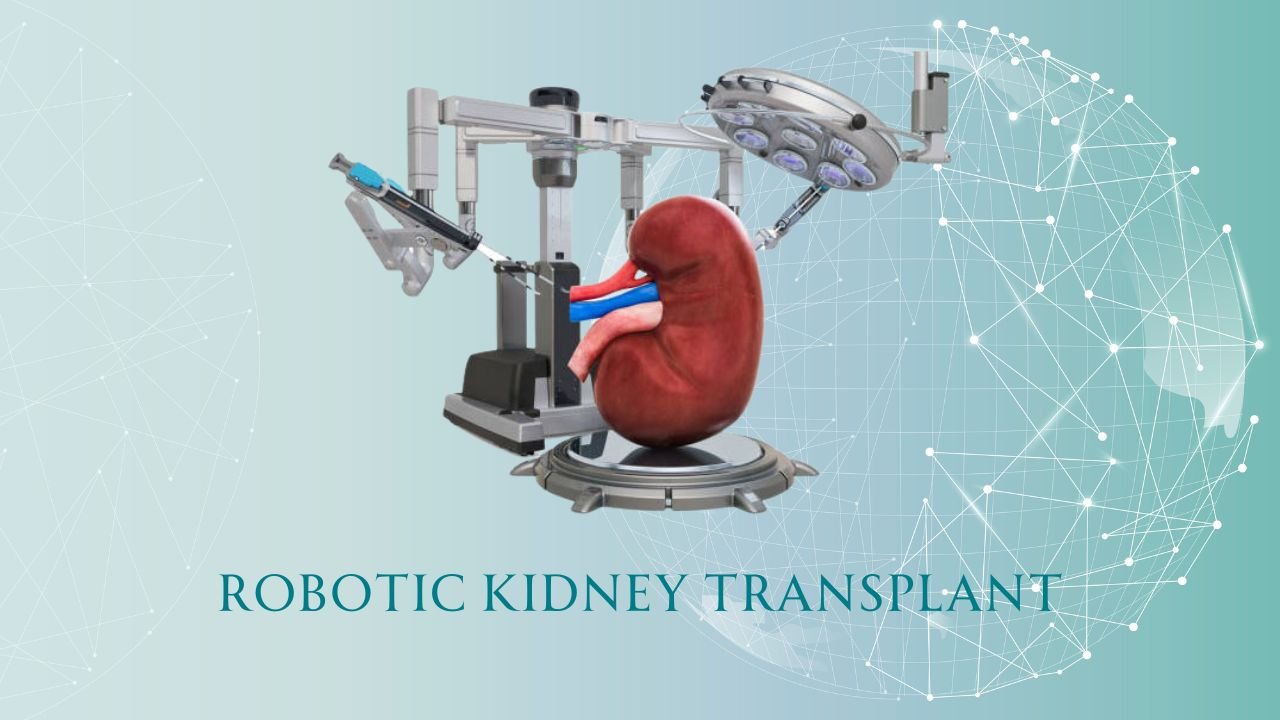
Lately, I’ve been thinking a lot about how far we’ve come in kidney transplant surgery — and where we’re headed. If you or a loved one is living with chronic kidney disease and on dialysis, you might’ve heard of renal transplantation as a treatment option. Traditionally, this surgery has been done through an open procedure. But now, a newer method is quietly gaining ground in the management of chronic kidney disease: robotic renal transplantation.
Over the past five years, I’ve seen a real shift — a paradigm change, really — in how we approach kidney transplants. Robotic surgery allows us to operate with small incisions, high precision, and faster recovery times. It’s a minimally invasive technique, which means less pain, fewer complications, and a much shorter stay in the hospital. The robotic system gives us a magnified, 3D view of the surgical field, helping us stitch blood vessels with far greater accuracy than we could ever achieve in open surgery.
This approach has been especially helpful for patients with a higher BMI — those who are overweight or obese. In such cases, robotic surgery reduces wound-related complications and makes recovery smoother. Post-operative pain is less, and the risk of fluid collections (lymphoceles) is also lower.
To me, this isn’t just about technology — it’s about better outcomes, more comfort, and renewed hope for patients. I believe robotic kidney transplantation is not just the future — it’s the present. And I’m committed to making it more widely available, as early as we can.